
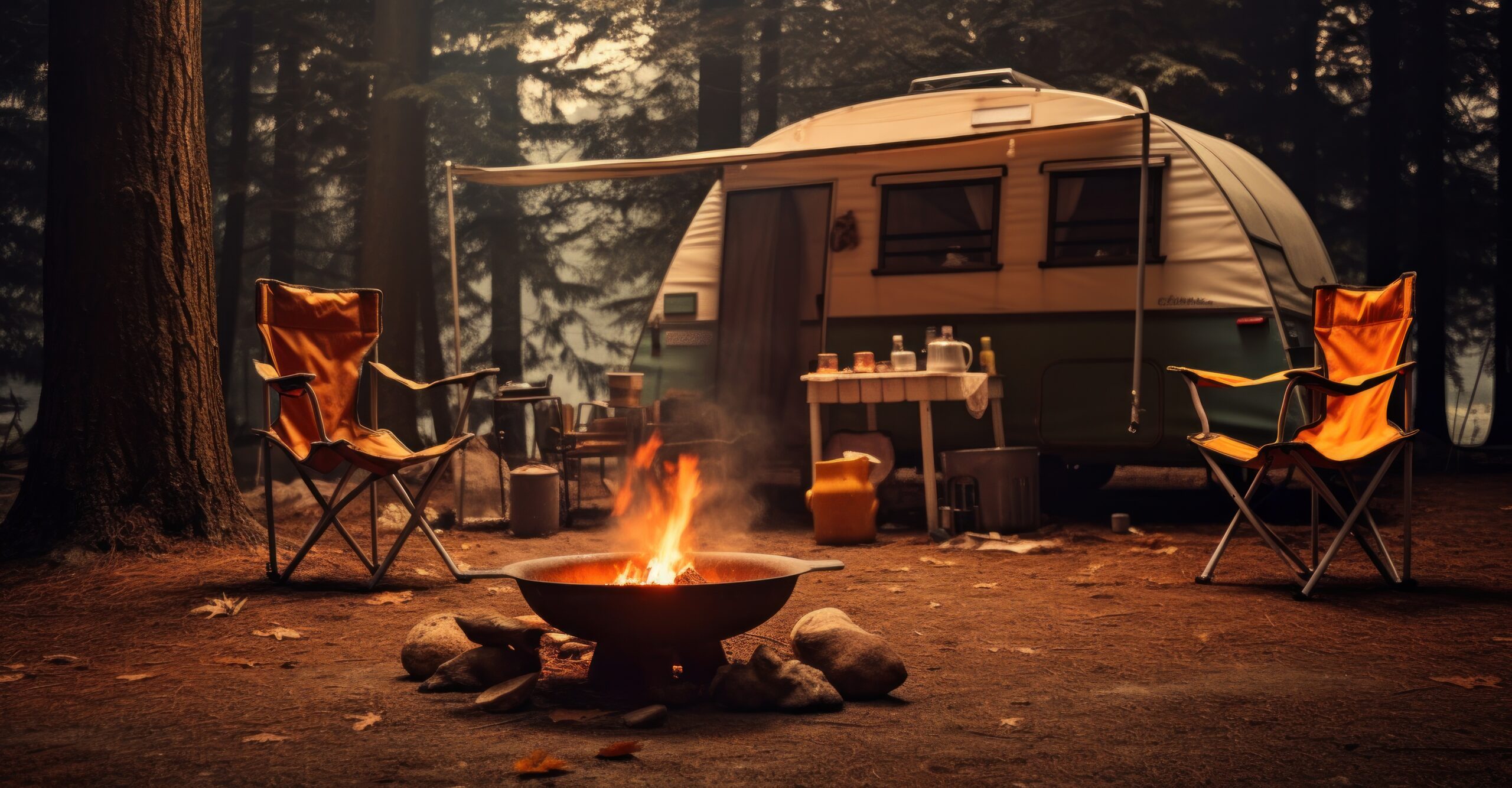
Let’s be honest, there’s something magical about rolling up to a campsite in a restored 1970s caravan. Maybe it’s the chrome trim catching the sunlight, or that distinctive rounded silhouette that screams “proper holiday”. Whatever it is, retro camping has properly taken off across the UK, and frankly, I get it.
I’ve noticed more and more British families ditching their modern motorhomes for these charming relics from the past. And it’s not just nostalgia talking – though that’s definitely part of it. There’s a whole movement happening, with enthusiasts restoring old Eccles, Sprite, and Thomson caravans to their former glory. If you’re curious about this trend beyond the UK, have a look at https://camping-retro-passion.fr where the French camping community shares similar stories about vintage camping culture.
The Appeal Goes Beyond Instagram
 Sure, vintage caravans photograph beautifully. Stick one in the Lake District with some bunting and you’ve got instant social media gold. But that’s not why people are actually buying them.
What surprised me is how affordable they can be compared to brand-new models. A decent modern caravan can set you back £20,000 easily, sometimes double that. Meanwhile, you can pick up a 1960s or 70s classic for a few thousand quid – sometimes even less if you’re willing to put in some elbow grease. Yeah, you’ll need to invest time in restoration, but for many people, that’s part of the fun.
It’s About Slowing Down (Properly)
Modern caravans come loaded with tech – satellite TV, WiFi boosters, fancy heating systems. Which is great, don’t get me wrong. But there’s something to be said for the simplicity of vintage camping. You’ve got your basics : somewhere to sleep, a small kitchen, maybe a heater if you’re lucky.
I spoke to a mate who’s just finished restoring a 1972 Sprite Alpine, and he put it perfectly : “When you’re in a vintage van, you’re actually camping.” No Netflix binges, no checking emails every five minutes. You’re sitting outside with a cuppa, watching the sun set, maybe playing cards. It forces you to engage with the outdoors in a way modern setups sometimes don’t.
The Community Is Brilliant
This might be the best bit. Vintage caravan owners are a friendly bunch. Pull into a site with a classic Bluebird or a Freeman, and you’ll have people wandering over for a chat within minutes. There are rallies, shows, online forums where people share restoration tips and track down spare parts.
It’s become a proper hobby, not just a means of getting away for the weekend. Some folks spend months hunting down original curtain fabric or the exact shade of Formica for their countertops. Obsessive ? Maybe. But also kind of wonderful.
Not All Sunshine and Roses
 Look, I’d be lying if I said vintage caravans were perfect. They’re not as weatherproof as modern ones – you might wake up to condensation on a cold morning. They’re heavier to tow, often lack modern safety features, and finding replacement parts can be a proper headache.
Insurance can be tricky too, though specialist providers have caught on to the trend. And if you’re not mechanically minded, you’ll probably need to budget for professional help with maintenance and repairs.
Is It Worth It ?
Depends what you’re after, really. If you want maximum comfort and convenience, stick with modern. But if you’re drawn to the idea of owning something with character, something you can tinker with and make truly yours, then yeah – absolutely worth considering.
The vintage caravan revival isn’t going anywhere. If anything, it’s picking up speed as more people discover the joy of slower, simpler holidays. There’s something deeply satisfying about keeping these pieces of British holiday history alive, and honestly ? That feeling when you finally get your restoration project roadworthy and take it out for its first proper trip – nothing quite beats it.